
Description
Product Overview
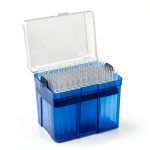
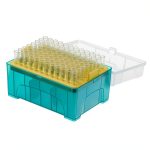
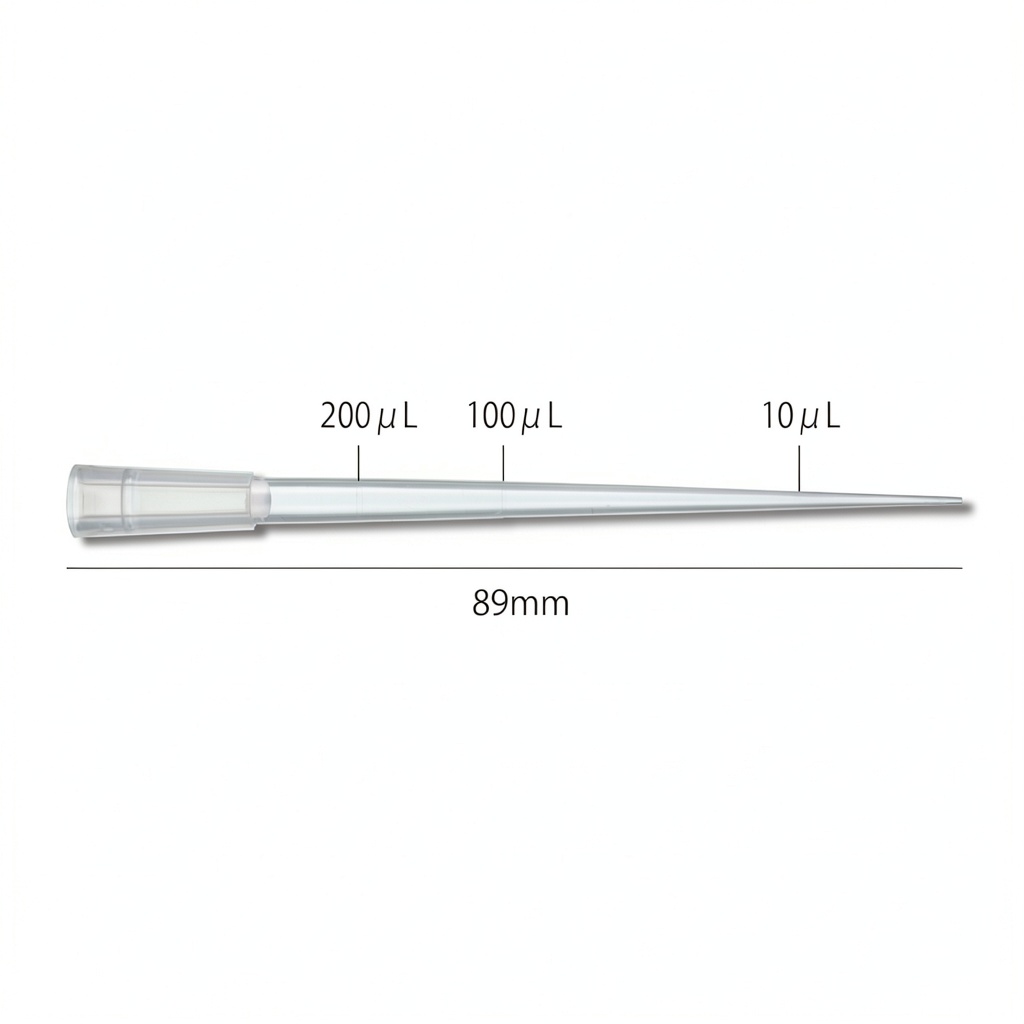
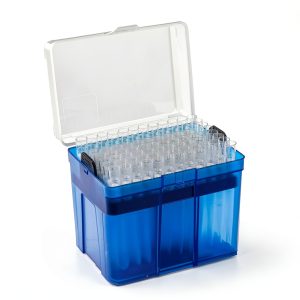
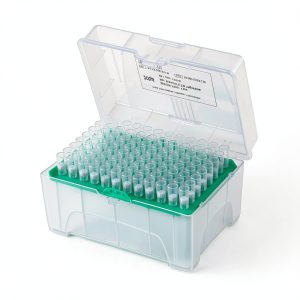
The WATSON Bio Lab 1252-801CS pipette tips are engineered to meet the rigorous demands of modern molecular and clinical laboratories. Featuring a long, sterile, nuclease‑free filter, each tip is optimized for precise 200 µL volume handling, reducing the risk of sample contamination and ensuring reproducible results across a wide range of applications. Constructed from high‑quality, chemically inert polypropylene, the tips provide excellent resistance to solvents and acids commonly used in laboratory protocols. The tips are supplied in a system rack configuration, with each rack holding 96 tips, facilitating easy organization, rapid access, and efficient workflow integration. Dimensions of the packaging are 17.36 x 10.35 x 4.25 inches, weighing approximately 2 pounds per rack, making storage and transport straightforward. Certified as nuclease‑free and sterilized, these tips comply with stringent laboratory standards, offering confidence for sensitive downstream processes such as PCR, qPCR, reverse transcription, and next‑generation sequencing library preparation. The model number 1252-801CS reflects the specific design parameters, ensuring compatibility with a broad range of pipette brands and models, while the long tip length accommodates deep well plates and specialized assay formats.
![[Product front view showing all components]](https://www.globalfairs.store/wp-content/uploads/2026/07/e4635633ee594ab1aa85b24f31eae341.jpg)
Usage
These filtering pipette tips are ideal for a variety of laboratory environments, including academic research labs, biotech startups, pharmaceutical development facilities, and clinical diagnostic centers. Their sterile, nuclease‑free construction makes them particularly suited for applications where nucleic acid integrity is paramount, such as DNA/RNA extraction, enzyme assays, and cell culture media preparation. The long tip design enables seamless access to deep well plates, microtiter plates, and reservoir wells, reducing the need for tip changes and minimizing sample loss. Users can confidently employ these tips in high‑throughput automation platforms, as the system rack format aligns with standard robotic deck layouts, ensuring reliable tip loading and unloading. The robust rack system also supports manual pipetting workflows, providing a stable platform that resists tipping and facilitates quick tip replacement during routine bench work. Whether performing routine ELISA assays, conducting quantitative PCR, or preparing samples for mass spectrometry, the 1252-801CS tips deliver consistent performance, helping scientists achieve accurate, reproducible data while maintaining a clean working environment.
Why Choose Us
Choosing WATSON Bio Lab means selecting a partner committed to quality, reliability, and customer satisfaction. Our pipette tips undergo a rigorous manufacturing process that includes multiple sterilization steps, ensuring each tip is free from microbial contamination and nucleases. The nuclease‑free certification is validated through independent testing, providing assurance that your sensitive nucleic acid samples remain intact throughout handling. We employ state‑of‑the‑art extrusion technology to produce uniform tip dimensions, guaranteeing a tight seal with a wide range of pipette brands, which reduces the risk of leakage and improves precision. Our long filter design incorporates a high‑efficiency membrane that captures particulates and aerosols, protecting downstream assays from interference. In addition to product excellence, we offer responsive technical support, with a dedicated team ready to assist with compatibility questions, troubleshooting, and best‑practice guidance. Our commitment to sustainability is reflected in the recyclable packaging materials used for the system racks, aligning with environmentally responsible laboratory practices. By selecting our 1252-801CS tips, you benefit from a product that combines superior engineering, stringent quality control, and comprehensive after‑sales service, all backed by a reputable brand with a proven track record in the scientific community.
Key Features
- Long, sterile filter tip design ensures deep well access and prevents sample contamination.
- Nuclease‑free certification protects DNA/RNA integrity for sensitive molecular applications.
- High‑quality polypropylene construction offers chemical resistance and durability.
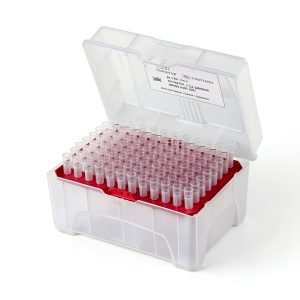
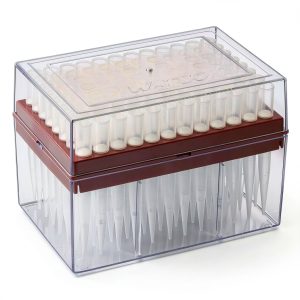
- System rack of 96 tips provides organized storage and rapid tip changes for efficient workflows.
- Responsive customer support and technical assistance guarantee reliable after‑sales service.
FAQ
Are these tips compatible with all pipette brands?
Yes, the 1252-801CS tips are designed with a universal tip cone that fits most standard pipette models from leading manufacturers. The long tip length and filter membrane are compatible with both single‑channel and multi‑channel pipettes, making them suitable for a wide range of laboratory equipment.
What does nuclease‑free mean and why is it important?
Nuclease‑free indicates that the tips have been tested and verified to contain no detectable DNase or RNase activity. This is crucial for applications involving nucleic acids, such as PCR, qPCR, and sequencing, because any nuclease contamination can degrade DNA or RNA, leading to inaccurate results or loss of valuable samples.
How should the tips be stored to maintain sterility?
The tips should be kept in their original sealed system rack until use. Store the rack in a clean, dry environment away from direct sunlight and extreme temperatures. Once the rack is opened, it is recommended to use the tips within a reasonable time frame to maintain optimal sterility and performance.
Can these tips be used in automated liquid handling systems?
Absolutely. The system rack format aligns with the deck layouts of most automated liquid handling platforms, allowing seamless integration. The tips’ consistent dimensions and reliable seal ensure accurate dispensing and minimal tip‑related errors during high‑throughput automation.
What is the recommended disposal method for used tips?
Used pipette tips should be disposed of in accordance with your institution’s biohazard waste protocols. Because they are made of polypropylene, they are compatible with standard autoclave procedures for decontamination before disposal in designated sharps or liquid waste containers.
Reviews
There are no reviews yet.